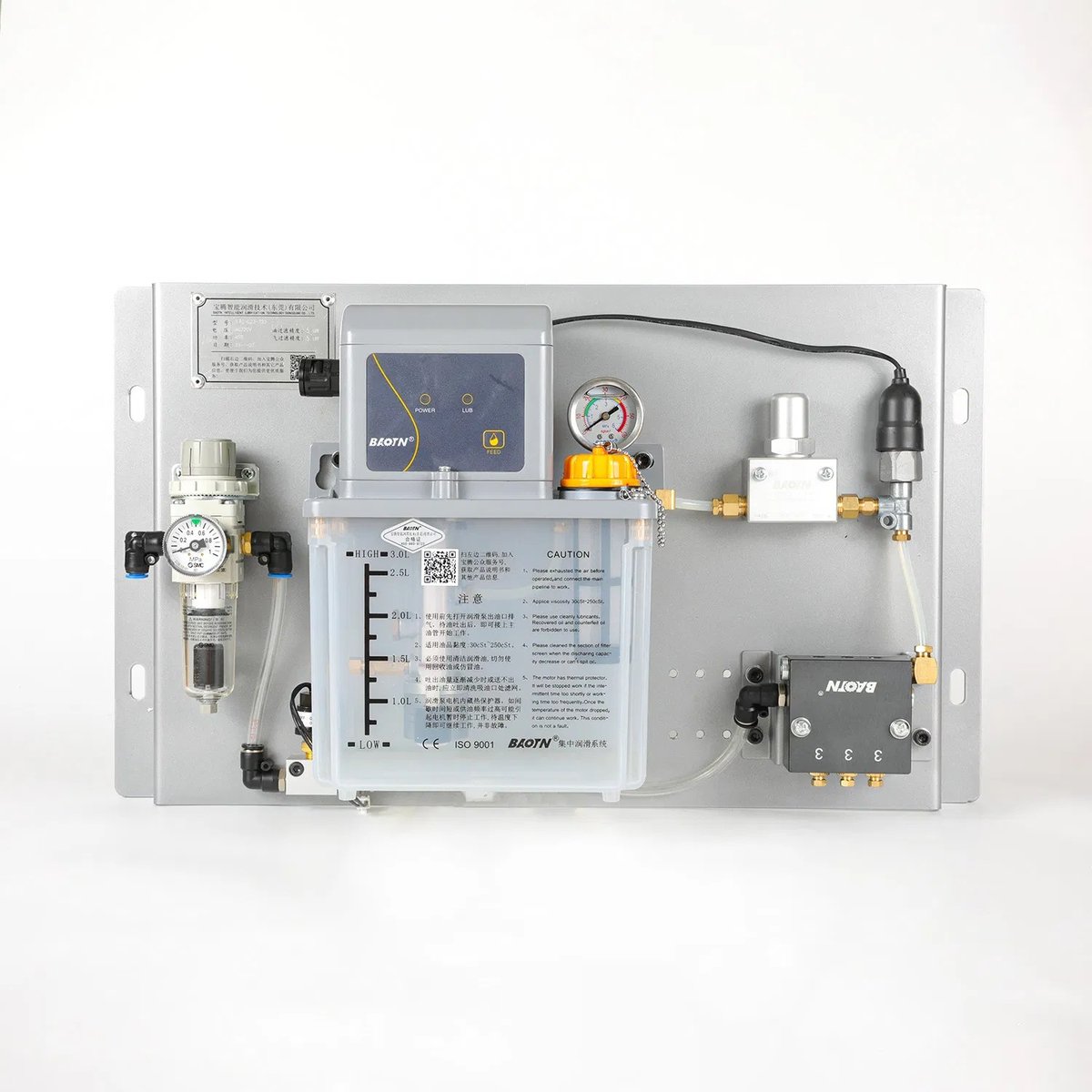
Beneath the hood of any powerful machine – be it a heavy-duty excavator, a reliable truck, or even Your guide to generator parts – lies a complex symphony of components working in harmony. Among the most critical, yet often overlooked, are the cooling and lubrication systems. These aren't just secondary features; they are the very guardians of your engine's health, shielding it from the twin destroyers: heat and friction. Without their diligent work, even the most robust engine would quickly grind to a halt, succumbing to premature wear and catastrophic failure.
Think of your engine as an athlete: it generates incredible power, but also immense heat. And like an athlete, it needs its blood (lubricant) to flow freely and its internal temperature to stay regulated to perform optimally and prevent burnout. Investing in premium Cooling & Lubrication System Parts isn't merely maintenance; it's a strategic decision to extend the life, efficiency, and reliability of your valuable machinery.
At a Glance: Protecting Your Engine’s Heartbeat
- Heat is the Enemy: Engines produce immense heat from combustion and friction; cooling systems dissipate this to prevent damage.
- Friction is the Assassin: Metal-on-metal contact causes wear; lubrication systems create a protective film, reducing friction and extending component life.
- Core Lubrication Parts: Oil pumps, filters, coolers, pressure sensors, relief valves, and gaskets are essential for consistent oil pressure and temperature.
- Core Cooling Parts: Radiators, water pumps, thermostats, hoses, and fans work together to maintain optimal engine temperature.
- Quality Matters: OEM-quality parts ensure precise fit, material integrity, and long-term reliability, preventing costly breakdowns.
- Preventive Maintenance: Regular checks and timely replacement of these components are crucial for avoiding major repairs and downtime.
The Unsung Heroes: Why Cooling & Lubrication Systems Are Non-Negotiable
Every time your engine fires up, a controlled explosion happens hundreds, if not thousands, of times per minute. This incredible energy output inevitably generates two major byproducts: extreme heat and friction. If left unchecked, these forces can literally tear an engine apart from the inside.
That’s where your cooling and lubrication systems step in as the engine's primary defense. The cooling system acts like the body’s thermoregulation, diligently moving heat away from critical components to prevent overheating. Simultaneously, the lubrication system functions as the engine’s circulatory system, pumping oil throughout to coat moving parts, minimizing metal-on-metal contact, reducing friction, and carrying away harmful contaminants. Without these intertwined systems performing flawlessly, engine components would warp, seize, or melt, leading to irreversible damage.
Decoding the Engine's Lifeline: Lubrication System Parts
The lubrication system is an intricate network designed to deliver a steady supply of clean, pressurized oil to every moving part of your engine. Its mission is clear: reduce friction, dissipate heat, clean internal components, and protect against corrosion. Here's a closer look at the key players:
The Brains of the Operation: The Oil Pump
Think of the oil pump as the heart of your engine’s lubrication system. Its sole job is to draw oil from the sump (oil pan) and push it under pressure through the oil filter and then into the engine's intricate oil galleries. Without a strong, consistent flow from the pump, critical components like bearings, camshafts, and pistons would quickly run dry, leading to rapid wear and catastrophic failure.
- How it Works: Most common are gear or rotor pumps, which create suction to pull oil and then force it through the system.
- Why it Matters: A failing oil pump means low oil pressure, triggering dashboard warning lights, and potentially leading to engine seizure. Premium pumps, like those offered by reputable suppliers for brands such as Caterpillar, Cummins, and Komatsu, are built for durability and consistent performance, ensuring that vital oil reaches every corner of your engine.
The Engine's Sieve: Oil Filters and Housings
Before oil reaches sensitive engine parts, it must be clean. This is the job of the oil filter, housed within an oil filter housing. As oil circulates, it picks up microscopic metal particles, dirt, carbon deposits, and other contaminants generated by combustion and wear. The filter traps these harmful particles, preventing them from recirculating and causing abrasive damage.
- Function: Filters use various media (paper, synthetic) to trap contaminants while allowing clean oil to pass through.
- Maintenance Tip: Regular oil and filter changes are the single most important maintenance task for your lubrication system. A clogged filter starves the engine of oil or forces unfiltered oil through a bypass, both leading to accelerated wear.
Pressure Control & Flow: Relief Valves and Regulators
The oil pump generates significant pressure, sometimes more than the system needs, especially at higher RPMs. Too much pressure can stress seals and components, while too little is disastrous. This is where relief valves and pressure regulators come in. They are designed to maintain optimal oil pressure throughout the system.
- How They Work: A relief valve is a spring-loaded mechanism that opens when oil pressure exceeds a preset limit, diverting excess oil back to the sump. This ensures a stable operating pressure, protecting sensitive parts from hydraulic overload.
- Importance: These small but mighty components ensure consistent lubrication across varying engine speeds and temperatures, a crucial aspect of overall engine health and longevity.
The Engine's Sensors: Oil Pressure & Temperature
You can't manage what you don't measure. Oil pressure and temperature sensors are the engine's early warning system. They constantly monitor the vital signs of the lubrication system, relaying data to the engine's control unit and dashboard gauges.
- Oil Pressure Sensor: Detects when oil pressure falls below a safe operating threshold, often illuminating a warning light. This can indicate a failing pump, a leak, or dangerously low oil levels.
- Oil Temperature Sensor: Monitors the oil's temperature, which can rise due to excessive friction, an overloaded engine, or a failing oil cooler. High oil temperatures can break down the lubricant's protective properties.
- Actionable Insight: Never ignore an oil pressure or temperature warning light. Immediate investigation can prevent catastrophic engine damage.
Sealing the Deal: Gaskets and Seals
The lubrication system is a pressurized environment, and any breach can lead to oil leaks, loss of pressure, and ultimately, engine damage. Gaskets and seals are critical components that prevent oil from escaping where metal parts join.
- Common Locations: Cylinder heads, oil pans, valve covers, oil filter housings, and various access points all rely on gaskets and seals to maintain a leak-free system.
- Material Quality: High-quality gaskets and seals, made from durable, heat-resistant materials, are essential for maintaining integrity under extreme engine conditions. Inferior materials can degrade quickly, leading to costly leaks.
Temperature Tamers: Cooling System Parts
While lubrication handles much of the heat generated by friction, the combustion process itself produces immense heat that oil alone cannot manage. This is the primary domain of the cooling system, which uses a coolant (typically a mixture of water and antifreeze) to absorb and dissipate heat, maintaining the engine within its optimal operating temperature range.
The Heat Exchanger: The Radiator
The radiator is the cooling system's primary heat exchanger. Hot coolant from the engine flows into the radiator, where it's distributed through many small tubes. Air flowing over these tubes (aided by fans) absorbs heat from the coolant, which then cools down and returns to the engine.
- Function: Maximizes surface area for heat transfer, efficiently releasing heat into the atmosphere.
- Types: Modern radiators are often made of aluminum for lightweight and efficient heat dissipation.
- Maintenance: Keep the radiator fins clean and free of debris for optimal airflow.
The Heartbeat: Water Pump
Just like the oil pump circulates lubricant, the water pump circulates coolant. Driven by a belt connected to the engine's crankshaft, it continuously pushes coolant through the engine's coolant passages, into the radiator, and back again.
- Importance: A failing water pump (often indicated by leaks or a whining noise) will prevent coolant circulation, leading to rapid overheating. Replacing it proactively can save your engine from severe thermal stress.
The Thermostat: Temperature Gatekeeper
The engine needs to reach a specific operating temperature to run efficiently and reduce emissions. The thermostat is the intelligent valve that regulates coolant flow to the radiator.
- How it Works: When the engine is cold, the thermostat remains closed, restricting coolant flow to the radiator and allowing the engine to warm up quickly. Once the optimal temperature is reached, it opens, permitting coolant to flow through the radiator for cooling.
- Common Issue: A thermostat stuck open will cause the engine to run too cold (reducing efficiency), while one stuck closed will lead to rapid overheating.
Coolant Hoses & Clamps: The Veins and Arteries
The cooling system relies on a network of hoses to transport coolant between the engine, radiator, and other components. These flexible conduits are held in place by clamps, ensuring a secure, leak-free connection.
- Wear & Tear: Hoses can degrade over time due to heat, pressure, and chemicals, leading to cracks, bulges, or softness.
- Inspection: Regularly inspect hoses for signs of wear and clamps for tightness. A burst hose is a common cause of sudden overheating and engine damage.
Cooling Fans & Fan Clutches: The Air Movers
When the vehicle isn't moving fast enough to provide sufficient natural airflow over the radiator, or when the engine is under heavy load, cooling fans kick in. These can be electric or mechanically driven. Mechanically driven fans often use a fan clutch, which engages the fan only when needed, saving energy.
- Function: Ensures adequate airflow over the radiator fins, especially at low speeds or while idling, crucial for effective heat rejection.
- Troubleshooting: A non-functional fan or a faulty fan clutch can lead to overheating, particularly in stop-and-go traffic.
The Pressure Keeper: Radiator Cap
More than just a lid, the radiator cap is a precisely engineered component that maintains pressure within the cooling system. Raising the pressure raises the boiling point of the coolant, allowing the engine to run at higher temperatures without boiling over.
- How it Works: It has two valves: a pressure valve that opens to release pressure if it gets too high, and a vacuum valve that opens to draw coolant back in from the overflow reservoir as the engine cools down.
- Importance: A faulty radiator cap can lead to coolant loss, boiling, and inefficient cooling.
The Dynamic Duo: How Cooling and Lubrication Work Together
While we've discussed them separately, the cooling and lubrication systems are deeply interconnected. The most prominent example of this synergy is the oil cooler.
An oil cooler is essentially a mini-radiator for your engine oil. Integrated into either the engine's cooling system (using coolant to cool the oil) or as a separate air-to-oil unit, its purpose is to keep the lubricant's temperature within optimal ranges. Why is this so crucial? Because excessively hot oil degrades faster, loses its viscosity, and therefore its ability to protect engine parts. By actively cooling the oil, the oil cooler helps the lubrication system perform its duties more effectively, which in turn reduces friction, which then reduces the heat load on the primary cooling system. It’s a beautifully designed feedback loop for engine longevity.
Choosing Your Engine's Best Friends: Premium Parts Matters
When it comes to Cooling & Lubrication System Parts, quality is not a luxury; it’s a necessity. Skimping on these components can have disastrous, expensive consequences, transforming minor savings into major repair bills.
- OEM-Quality Assurance: Suppliers like BeeSpareParts emphasize "OEM-quality lubrication parts." This means components are manufactured to the exact specifications, tolerances, and material standards as the original parts installed by the engine manufacturer (OEM - Original Equipment Manufacturer). This ensures a perfect fit, reliable performance, and durability that cheap aftermarket alternatives simply cannot match.
- The Cost of Cheap: Lower-quality parts might have inferior materials, less precise machining, or design flaws that lead to premature failure. A leaking gasket, a weak oil pump, or a clogged oil cooler can quickly cascade into engine damage, downtime, and lost productivity.
- Compatibility is Key: Reputable parts suppliers understand the nuances of various engine brands. Whether you operate machinery with Caterpillar, Cummins, Komatsu, Kubota, or Isuzu engines, ensuring the parts are specifically designed and tested for that make and model is paramount. Generic parts rarely deliver the required performance or lifespan.
Investing in premium, high-quality Cooling & Lubrication System Parts is an investment in your equipment's operational efficiency and long-term value. It mitigates risks, reduces unforeseen downtime, and ensures your engine can perform its demanding tasks reliably, day in and day out.
Troubleshooting Common Issues: What to Look For
Understanding what goes wrong can help you diagnose problems early, preventing small issues from becoming catastrophic failures.
Overheating: Beyond the Gauge
If your temperature gauge climbs into the red, it's an emergency. But there are often subtle signs before that.
- Coolant Leaks: Puddles under your vehicle, sweet smell, or visible drips from hoses or the radiator.
- Fan Issues: Fan not turning, or turning slowly when the engine is hot.
- Stuck Thermostat: Engine takes too long to warm up (stuck open) or overheats quickly (stuck closed).
- Clogged Radiator: Debris between fins, or internal blockages reducing coolant flow.
Low Oil Pressure: A Warning Sign
An illuminated oil pressure light demands immediate attention.
- Failing Oil Pump: Often accompanied by knocking noises from the engine due to lack of lubrication.
- Clogged Oil Filter: Restricts oil flow, sometimes causing the filter bypass valve to open, circulating unfiltered oil.
- Worn Engine Bearings: Excessive clearance allows oil to escape too easily, reducing pressure.
- Low Oil Level: The simplest cause, but easily overlooked. Check your dipstick!
Excessive Oil Consumption or Leaks
Consistently topping off oil or noticing puddles.
- Worn Gaskets/Seals: Visible oil seepage around valve covers, oil pan, or other bolted joints.
- Worn Piston Rings/Valve Seals: Oil is burned in the combustion chamber, resulting in blue smoke from the exhaust.
- Cracked Oil Cooler: Oil mixing with coolant (creating a milky substance) or external oil leaks.
Unusual Noises
Sounds that shouldn't be there.
- Whining/Growling: Often points to a failing water pump bearing or alternator/accessory bearing.
- Tapping/Knocking: Can indicate inadequate lubrication to the valve train or connecting rod bearings (a severe symptom of low oil pressure).
- Hissing/Gurgling: Typically related to air in the cooling system or boiling coolant.
Proactive Care: Maintenance Best Practices for Longevity
The best defense against engine problems is a robust offense through preventive maintenance. Prioritize these practices for your cooling and lubrication systems:
- Regular Oil Changes with Premium Lubricants: Follow manufacturer recommendations for oil type and change intervals. This is non-negotiable for removing contaminants and replenishing the oil's protective additives.
- Coolant Flushes and Checks: Periodically flush the cooling system and refill with the correct coolant mixture. Check coolant levels regularly and inspect for discoloration, which can indicate internal corrosion or oil contamination.
- Oil and Fuel Filter Replacements: Always replace oil filters during oil changes. Consult your equipment's manual for fuel filter replacement intervals; clean fuel is just as important as clean oil.
- Hose and Belt Inspections: Regularly check all coolant and oil hoses for cracks, bulges, softness, or hardening. Ensure clamps are tight. Inspect drive belts for cracks, fraying, and proper tension.
- Sensor Checks: Pay attention to your dashboard gauges and warning lights. Periodically test pressure and temperature sensors if you suspect inaccuracies.
- Visual Leak Detection: Make it a habit to perform a quick visual inspection around your engine bay for any signs of oil or coolant leaks before and after operation. Early detection can save thousands in repairs.
- Radiator and Oil Cooler Cleaning: Keep the external fins of your radiator and oil cooler free from dirt, dust, and debris to ensure maximum heat transfer.
Your Engine's Future: Investing in Reliability
The engine is the powerhouse of your equipment, and its longevity directly impacts your bottom line. The Cooling & Lubrication System Parts are the silent sentinels, working tirelessly to protect that investment. By understanding their critical roles, choosing premium OEM-quality components from trusted suppliers, and committing to diligent preventive maintenance, you’re not just performing routine upkeep – you’re actively safeguarding your machinery against the ravages of time and toil. Ensure your engine enjoys a long, productive life by giving its guardians the attention and quality they deserve.