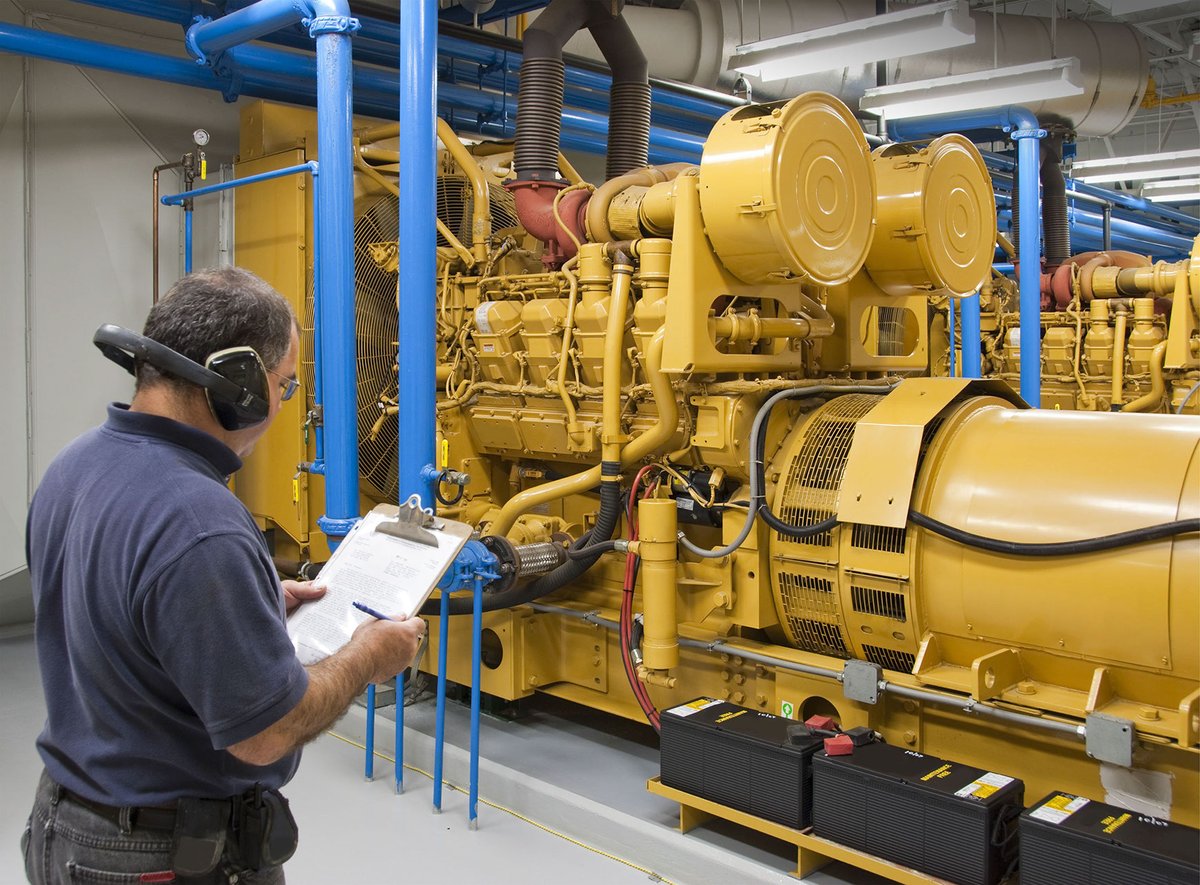
Generators are indispensable, providing crucial backup power during outages, powering remote job sites, or ensuring essential operations continue uninterrupted. When your generator falters, it's more than an inconvenience – it can mean lost productivity, safety risks, or a lack of comfort. Understanding the intricate network of parts that make up your generator is the first step toward proactive maintenance, efficient troubleshooting, and ensuring your power source remains reliable for years to come.
This hub is designed to demystify your generator, breaking down its complex systems into understandable components. Whether you're performing routine maintenance, diagnosing a problem, or planning a repair, having a clear grasp of each part's function will empower you to make informed decisions and keep your essential power working smoothly.
The Heartbeat of Your Generator: Powering Up with Engine Parts
At the core of nearly every generator lies its engine, the powerhouse responsible for converting fuel into mechanical energy. This intricate assembly of moving parts is subject to immense stress, heat, and friction, making regular inspection and timely replacement of worn components absolutely critical. From pistons and cylinders to crankshafts and valves, each piece plays a vital role in igniting the fuel and producing the rotational force needed to generate electricity.
Neglecting engine issues can lead to catastrophic failures, costly repairs, and ultimately, a non-functional generator when you need it most. To truly grasp how your generator creates its power and what makes it tick, we encourage you to delve deeper into the specifics by exploring our comprehensive guide on Engine & Internal Components.
Delivering the Spark: Understanding Your Generator's Electrical System
Once the engine generates mechanical energy, it’s the generator’s electrical system that transforms this raw power into usable electricity for your home or business. This complex network includes the alternator, voltage regulator, wiring, and various sensors that ensure a steady, clean output. Issues here can manifest as fluctuating power, insufficient output, or even a complete lack of electricity, despite the engine running perfectly.
Diagnosing problems within the electrical system requires a careful understanding of how current is generated, regulated, and distributed. Maintaining these components ensures consistent, safe power delivery to your appliances and equipment. To understand how your generator produces and delivers the electricity you rely on, be sure to Explore Electrical & Output Systems in detail.
Keeping the Power Flowing: Fueling and Venting Safely
For any engine to run, it needs a reliable supply of fuel, and the generator's fuel system ensures this process is seamless and safe. This includes the fuel tank, lines, filters, and carburetor or fuel injection system, all working in harmony to deliver the right mix of fuel and air for combustion. Equally important is the exhaust system, which safely vents harmful emissions away from the generator and its surroundings.
Proper maintenance of these systems prevents common problems like fuel contamination, blockages, and dangerous exhaust leaks, which can impact both performance and safety. A clean fuel supply and an unobstructed exhaust path are paramount for efficiency and longevity. To gain a complete understanding of how fuel gets to your engine and exhaust gases are managed, explore our guide on Fuel & Exhaust System Parts.
Smart Control, Seamless Operation: Mastering Your Generator's Brain
Modern generators are more than just engines and alternators; they feature sophisticated control and automation systems that monitor performance, manage power output, and even initiate self-checks. These "brains" include control panels, circuit breakers, automatic transfer switches (ATS), and a variety of sensors that protect the unit and ensure seamless operation. From automatically starting when power goes out to shutting down safely in an overload situation, these parts are crucial for hands-free reliability.
Understanding these components allows you to properly operate your generator, interpret error codes, and even troubleshoot minor issues before they become major problems. For an in-depth look at the technology that makes your generator smart and responsive, we invite you to Explore Control & Automation Parts Learn more about these essential systems.
Protecting Your Investment: Maintaining Optimal Temperatures and Lubrication
The incredible power generated by your generator's engine creates significant heat and friction, which, if not managed, can quickly lead to wear and damage. This is where the cooling and lubrication systems come into play. The cooling system (often air-cooled or liquid-cooled) dissipates heat, while the lubrication system circulates oil to reduce friction between moving parts, clean the engine, and further aid in cooling.
Regular checks and maintenance of these systems, like monitoring coolant levels and performing oil changes, are fundamental to extending your generator's lifespan and preventing costly breakdowns. These systems are the unsung heroes, silently working to keep everything running smoothly. To safeguard your generator's longevity and performance, it’s vital to Discover Cooling & Lubrication System Parts and their maintenance requirements.
Understanding the various components of your generator isn't just about fixing things when they break; it's about empowerment. It's about proactive maintenance, extending the life of your investment, and ensuring you always have reliable power when you need it most. By familiarizing yourself with these critical systems, you're taking a significant step towards becoming a more capable and confident generator owner, ready to face any power challenge. Keep your generator running strong, and it will serve you well for years to come.